コスプレ 仮装 衣装 ハロウィン アニマル 大人用 パーティーグッズ 余興 男女兼用 女性用 レディース 男性用 うしコスチュームセクシーランジェリー 点セット レディース 女性 メイド 牛 エプロン レース 透け感
お届け先場所を更新するこんにちは ログインアカウントリスト返品もこちら 注文履歴カートすべてポイントヘルプネットスーパー
乳牛 キット 牛柄 ビキニ メイド服 セクシー コスプレ エロ 過激 エッチ な えろい ランジェリー アダルト 下着 コスチューム用小物 萌え キャット 可愛い かわいい どうぶつ
セクシー コスプレ セクシーなランジェリー メイド服 過激 乳牛 アニマル 着ぐるみ 牛柄 ミニスカート 仮装 コスチューム用小物 可愛い服 鈴付ネックリング 動物柄 レディース
特価一部子供 コスチューム 動物 ぬいぐるみ キッズ 着ぐるみ コスプレ 衣装 半袖 アニマル パフォーマンス 演出 ウサギ ウシ ブタ 恐竜 仮装セクシーランジェリー 点セット レディース 女性 メイド 牛 エプロン レース 透け感 下着 インナー コスプレ ランジェリー
牛柄のエロティックなコスチュームの魅力として牛コスチューム 四条寺愛莉モデル朝凪牛柄スリングショット 男女兼用サイズをレビューします
乳牛 セクシー コスプレ エッチ 牛柄 胸空き 仮装 可愛い レディース ミニスカート ミルクガール シースルー エロ 過激 誘惑 萌え 貧乳 キュート 演出服 エ
年は丑年でしたから一番流行ったコスプレがこれじゃないでしょうか まさに乳牛 牛柄ビキニ海外ではとして人気のドエロマイクロビキニなコスプレ画像まとめです今年ももう月年賀状を書く時くらいでしか干支を意識なぞしませんがこの牛柄ビキニだけは良き風習を思い出させてくれました主に風俗で 普通のマイクロビキニでも見た目エロいですが否応なしにおっぱいというか性的なイメージを抱かせる牛柄
納屋の牛に種付け中出し交尾 ほえる牛とイラマチオを調教 爆乳と巨尻を揺らしながらアヘ顔ハメ撮り 日本人カップル 素人 パイパン スタイル抜群 巨乳 ハーフ美女 無修正
牛コスおすすめ順価格の安い順価格の高い順牛コスに関連するおすすめ商品が件見つかりましたおすすめの検索キーワードよしつね件価格推移で買い時を調べる 価格推移を非表示にする
Kathmandu, April 13: Nepal’s political timeline rarely moves quietly, and the year 2082 BS (2025–2026) proved that point with unusual force. What began as scattered discontent quickly turned into one of the most turbulent periods in recent memory, shaking both institutions and political habits.
Early in the year, a campaign led by Durga Prasai and allies called for the return of a Hindu state and monarchy. The demand revived long-standing debates over the federal democratic republic and gave fresh energy to conservative voices. Before that debate could settle, the government took a far more immediate step that stirred public anger. Within six months, a coalition of the two largest parties in Parliament imposed a blanket ban on 26 social media platforms. Instead of managing digital spaces, the state chose restriction. For a generation that lives and speaks online, the move felt like a direct attack on personal freedom.
Young people soon mobilized under the banner of Gen Z. Their protests went beyond the ban, targeting corruption, poor governance, and entrenched favoritism. Internal disagreements within ruling parties made the situation worse. The government led by CPN-UML faced mounting pressure but showed little urgency to respond. Prime Minister KP Sharma Oli, supported by Nepali Congress President Sher Bahadur Deuba, downplayed the protests. That misreading of public mood proved costly.
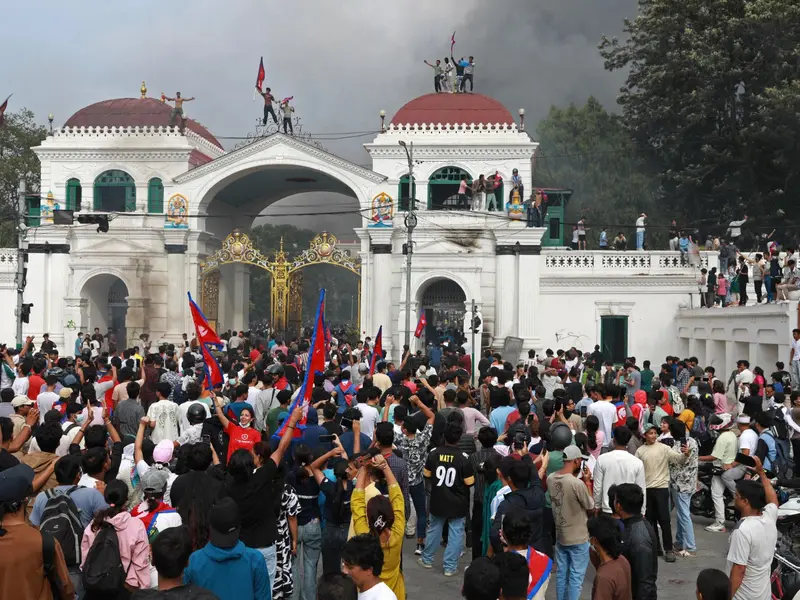
By September, frustration reached a breaking point. On September 8, the government reversed the social media ban, but the concession came too late. Protests intensified the next day, turning violent and damaging key state institutions and public infrastructure. Political offices, private businesses, and media organizations came under attack. Order broke down, and the state briefly lost its grip.
The fallout was swift. A government backed by a two-thirds majority collapsed within a day. Unlike past uprisings, this movement did not dismantle the system itself. It forced a reset in how authority was exercised. An interim electoral government replaced the fallen administration.
Acting outside strict constitutional lines but citing necessity, the President appointed former Chief Justice Sushila Karki to lead the interim setup on September 12. The House of Representatives was dissolved, and elections were scheduled for March 5, 2026.
Political parties entered a period of internal strain. UML retained Oli as its leader, while other groups explored alliances to survive. The Nepali Congress became entangled in leadership disputes that reached the Supreme Court. As instability deepened, even reluctant parties prepared for elections.
When voting took place, the outcome reflected public frustration. Established parties lost ground, while newer forces gained momentum. Youth participation shaped the results. The Rastriya Swatantra Party secured a commanding majority, and the Shram Sanskriti Party entered Parliament for the first time. Regional parties saw their presence disappear.
A new political phase began when 35-year-old Balendra Shah became Prime Minister on March 27. Parliament and constitutional processes resumed, but with a noticeably altered balance of power. Younger leaders gained prominence, while several established figures faced investigations and fading relevance.
Despite crises and disruptions, the year closed with signs of renewal. Political instability left deep marks, yet it also opened space for change. The system survived, but not unchanged.